
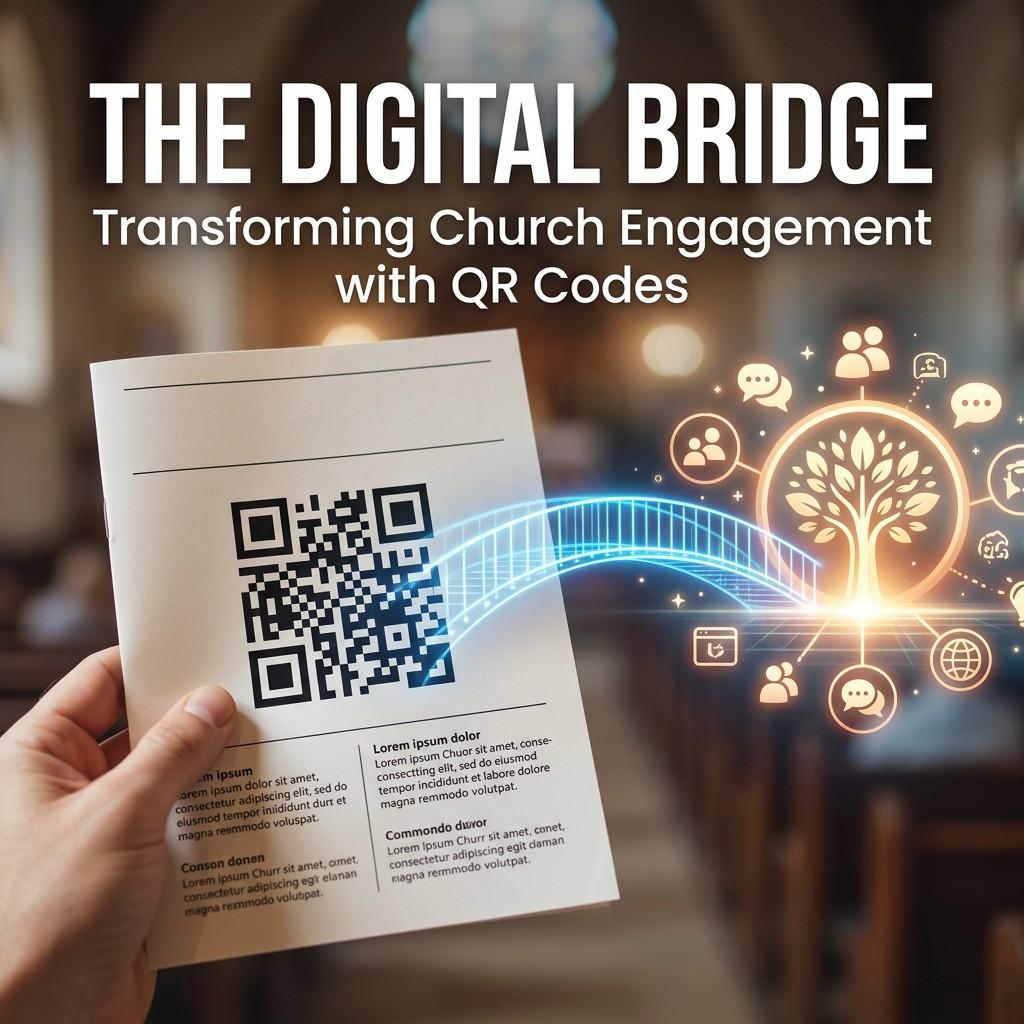
QR codes have become a powerful tool for churches looking to simplify engagement during services and events. By scanning a QR code with their phone, members can quickly access church resources without needing printed materials.
For churches still debating whether to go digital, our digital vs. paper bulletins comparison breaks down the practical differences.
Common Uses of QR Codes in Churches
Churches are increasingly using QR codes for:
- Digital bulletins — replace or supplement paper bulletins with a scannable link
- Event registration — let attendees sign up for events instantly from their seat
- Ministry sign-ups — connect members to volunteer and small group opportunities
- Online giving — direct members to a giving page with one scan
- Sermon notes and resources — share discussion guides, scripture references, and sermon content
- Volunteer opportunities — link to scheduling tools or sign-up forms
This allows churches to create simple and accessible engagement experiences that meet members where they already are — on their phones.
Benefits of QR Codes in Ministry
QR codes provide several practical advantages for church teams.
Simplicity
Members can access information instantly with a quick scan. No apps to download, no URLs to type, no paper to carry home. A single QR code on a screen, bulletin, or table card connects people to exactly what they need.
This is especially valuable for first-time visitors who may not know your church's website or app. A visible QR code gives them an immediate on-ramp to engage.
Reduced Printing
QR codes significantly reduce the need for printed bulletins, paper forms, and sign-up sheets. This saves churches money on printing costs — which can add up quickly. For context, see how much it costs to advertise in a church bulletin.
Going paperless also aligns with the growing trend toward digital bulletins, which allow churches to update content in real time without reprinting.
Real-Time Updates
Links connected to QR codes can be updated at any time without changing the physical code itself. If your service time changes, an event fills up, or you need to correct information, you simply update the destination page.
This is a major advantage over printed materials, where a single typo or schedule change means reprinting. It also means a QR code displayed on a permanent sign or banner stays relevant week after week.
Increased Engagement and Follow-Through
Paper sign-up sheets often get lost or forgotten. QR codes that link directly to online forms capture information immediately and can trigger automated follow-up workflows.
For giving, QR codes remove friction. Instead of asking members to visit a website, find the giving page, and enter their information, a QR code takes them directly to a pre-configured giving form. Churches that make giving easier see measurable increases in participation — see church giving trends in 2026.
Accessibility
QR codes work on any modern smartphone camera — no special app required. This makes them accessible to nearly every member of your congregation, regardless of their technical comfort level.
For members with visual impairments, the linked digital content can often be resized or read aloud by screen readers, which printed materials cannot easily accommodate.
Where to Display QR Codes in Your Church
Effective QR code placement is key to driving engagement. Consider these locations:
- Lobby screens and digital signage — display during pre-service and post-service
- Projected slides — show during announcements or before the sermon
- Seat backs or pew cards — a permanent QR code linking to your digital bulletin
- Event tables and registration areas — replace paper sign-up sheets
- Printed bulletins — even if you still print, add a QR code that links to the digital version
- Social media posts — include QR codes in Instagram stories and Facebook posts
- Mailers and postcards — connect physical outreach to digital experiences
The best strategy is to use QR codes consistently so members develop the habit of scanning. Over time, engagement increases as people learn to expect a QR code for every key action.
QR-Based Engagement Tools
ChurchRaise includes QR engagement tools that allow churches to connect members directly to:
- Digital bulletins with real-time updates
- Ministry sign-ups and volunteer management
- Weekly announcements and newsletter content
- Online giving with pre-configured donation forms
- Sermon resources and discussion guides
This creates a seamless digital experience during services and events — no app downloads required.
Combining QR Codes With Your Church Technology Stack
QR codes work best when they connect to a cohesive digital ecosystem. If your church uses church management software like Planning Center, Breeze, or Realm, QR codes can link directly to the relevant pages within those platforms.
ChurchRaise adds a layer on top by providing the engagement experiences themselves — digital bulletins, giving pages, and ministry resources — that QR codes point to. For churches evaluating their overall technology approach, see our guide on whether your church should switch software and getting your board on board with technology.
Getting Started With QR Codes
Starting is simple:
- Pick one use case — digital bulletin, giving, or event sign-up
- Generate a QR code that links to the relevant page
- Display it prominently during your next service
- Track engagement to see how many people scan and interact
- Expand to additional use cases as your congregation becomes comfortable
Churches that adopt QR codes consistently report higher engagement rates, reduced printing costs, and a more connected congregation. Combined with AI-powered ministry tools, QR codes help churches create a modern, accessible, and efficient ministry experience. To see how QR codes fit into the full picture of church tools, read the modern church technology stack.