
Artificial Intelligence (AI) is rapidly transforming society — from education and healthcare to business and communication. As AI becomes more integrated into everyday life, many Catholics are asking an important question: what does the Catholic Church say about artificial intelligence?
The Catholic Church has not only addressed AI but has increasingly engaged with it through theology, ethics, and social teaching. Rather than rejecting technological advancement, the Church encourages responsible innovation rooted in human dignity, moral responsibility, and the common good.
This article explores the Catholic Church's official perspective on AI, including guidance from recent Vatican documents and statements from recent popes.
The Catholic Church Does Not Oppose Artificial Intelligence
The Catholic Church does not oppose artificial intelligence or technological development. In fact, Catholic teaching historically affirms human creativity and scientific progress.
Technology — including AI — is seen as a fruit of human intelligence, which Christians believe is part of the gifts God has given humanity.
The Church's primary concern is how technology is used, not whether it exists.
According to Catholic social teaching:
- Technology should serve human dignity
- Innovation should benefit the common good
- Humans must remain morally responsible for technological decisions
AI, like any tool, can either serve humanity or harm it depending on how it is developed and applied.
Human Dignity Must Always Come First
One of the central principles guiding the Catholic Church's view on AI is the inherent dignity of every human person.
Catholic theology teaches that humans are made in the image of God (Genesis 1:27). Because of this, no technology should ever diminish or replace the value of human life.
The Vatican has warned that AI systems must never:
- Reduce people to data points
- Remove human accountability
- Replace human judgment in moral decisions
- Treat human beings as expendable
In other words, AI must serve people — not replace them.
The Vatican's Rome Call for AI Ethics
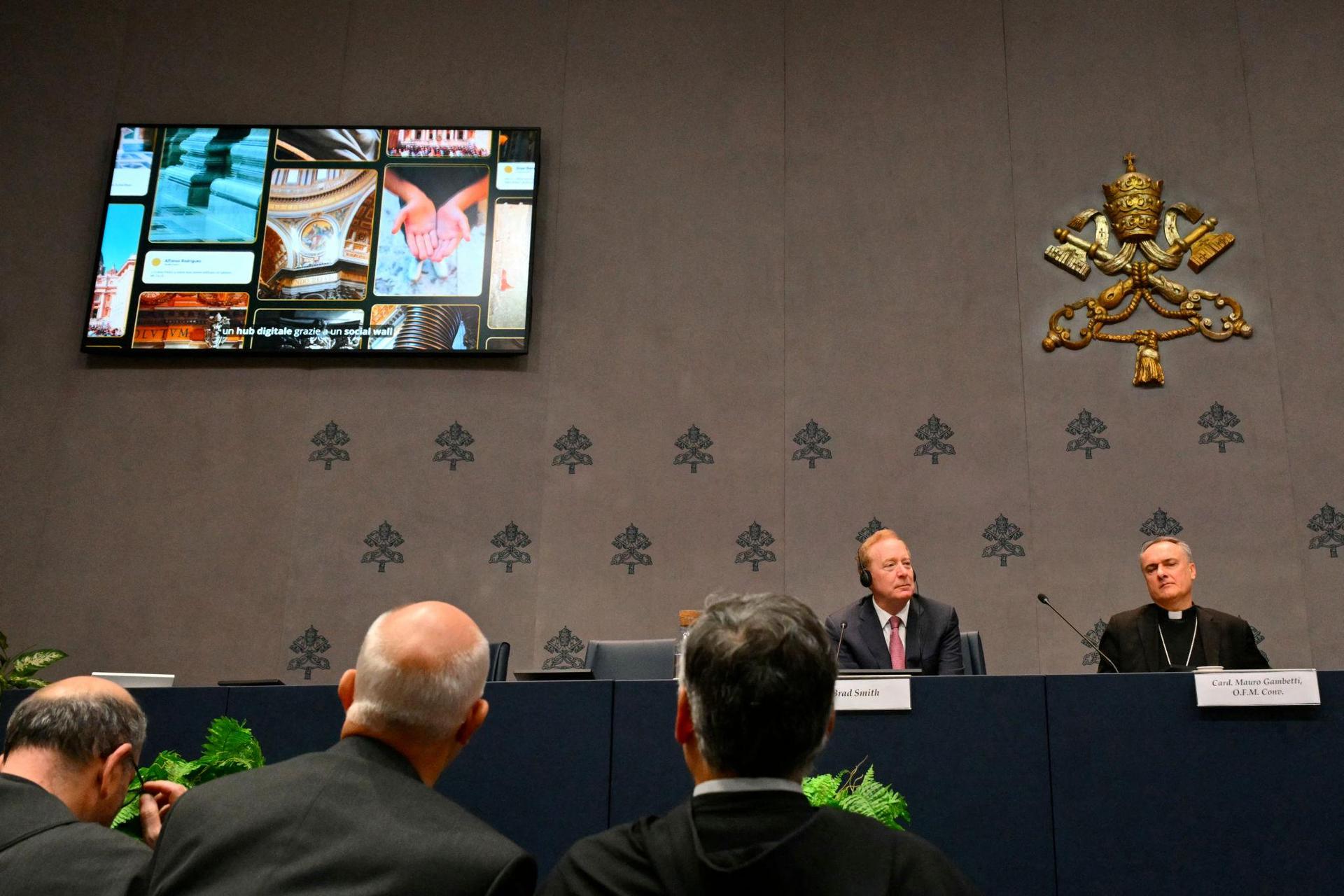
In 2020, the Vatican helped introduce an important initiative known as the Rome Call for AI Ethics.
The document was developed by the Pontifical Academy for Life in collaboration with technology companies and academic institutions. It outlines six ethical principles for artificial intelligence.
Transparency
AI systems should be understandable and explainable.
Inclusion
AI should benefit all people and avoid discrimination.
Responsibility
Humans must remain accountable for AI systems.
Impartiality
AI must avoid bias and unfair treatment.
Reliability
AI should function safely and consistently.
Security and Privacy
Personal data must be protected.
These principles aim to ensure that AI development remains aligned with human-centered values.
Pope Francis on Artificial Intelligence
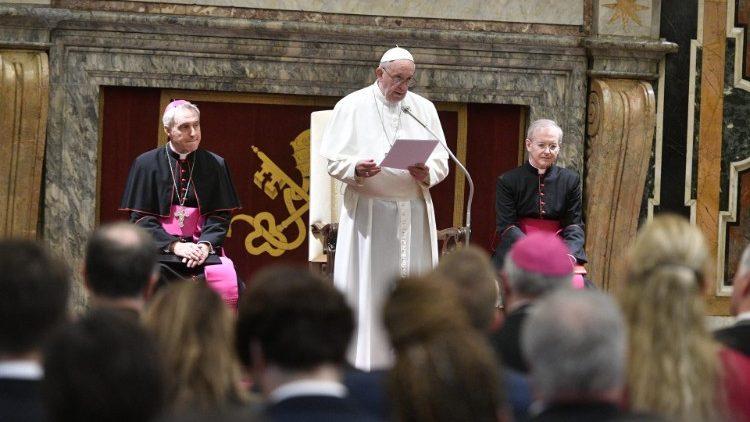
Pope Francis has spoken several times about the importance of ethical reflection around artificial intelligence.
He has emphasized that technological progress must never outpace moral responsibility.
In his statements about AI, Pope Francis has warned that society must avoid creating systems that:
- Concentrate power in the hands of a few
- Increase inequality
- Replace human decision-making in moral matters
- Exploit vulnerable populations
He has repeatedly called for "algor-ethics" — a framework ensuring that algorithms respect ethical and spiritual values.
The Pope has also highlighted that AI should help solve global challenges such as poverty, healthcare access, and environmental protection.
Can Artificial Intelligence Replace Human Intelligence?
From a Catholic perspective, AI cannot replace the human person.
Even the most advanced AI systems lack qualities that Catholic theology sees as uniquely human:
- A soul
- Free will
- Moral conscience
- The capacity for love
- Spiritual awareness
Artificial intelligence may simulate decision-making or language, but it does not possess true understanding or moral responsibility.
For this reason, the Church insists that humans must remain in control of AI systems and ultimately responsible for their outcomes.
Ethical Concerns the Catholic Church Raises About AI
While the Church welcomes technological advancement, it also raises several concerns about artificial intelligence.
Loss of Human Responsibility
AI should never become a way for humans to avoid accountability. Decisions affecting people's lives must involve human judgment.
Economic Inequality
Automation and AI could displace workers or concentrate wealth unless society intentionally protects the dignity of work.
Surveillance and Privacy
AI-powered surveillance tools raise serious concerns about human freedom and privacy.
Weaponization of AI
The Vatican has expressed concern about autonomous weapons and AI systems used for warfare.
How Catholics Are Using AI Today
Despite ethical concerns, many Catholic organizations are already using AI responsibly in areas such as:
- Education
- Language translation for missions
- Healthcare research
- Administrative tools for churches
- Digital evangelization
Some ministries are also exploring AI tools that help churches communicate more effectively with their communities. Platforms like ChurchRaise include AI-powered assistants that help church teams draft bulletins, newsletters, and donor thank-you messages — reducing administrative burden while keeping human oversight at the center. For practical examples, see 5 ways AI is changing church administration.
The key principle remains that AI should assist human ministry, not replace it.
The Catholic Vision for the Future of AI
The Catholic Church encourages society to pursue a future where artificial intelligence is guided by wisdom, ethics, and human-centered values.
Technology should help humanity flourish, strengthen communities, and support human dignity.
As Pope Francis has suggested, the question is not simply "What can AI do?" but rather:
"What should AI do in service of humanity?"
When AI is guided by ethical principles and a respect for human life, it can become a powerful tool for good.
Final Thoughts
The Catholic Church does not fear artificial intelligence, but it does call for thoughtful and ethical development.
AI must always remain:
- Subordinate to human judgment
- Guided by moral principles
- Designed to serve the common good
By grounding technological innovation in respect for human dignity, society can ensure that AI strengthens humanity rather than undermining it.
Whether your church is exploring AI tools for communication, giving, or administration, the guiding principle from Catholic social teaching is clear: technology serves its highest purpose when it serves people. For a practical guide to how churches are using AI today, see AI for Churches: How Artificial Intelligence Is Transforming Ministry.